
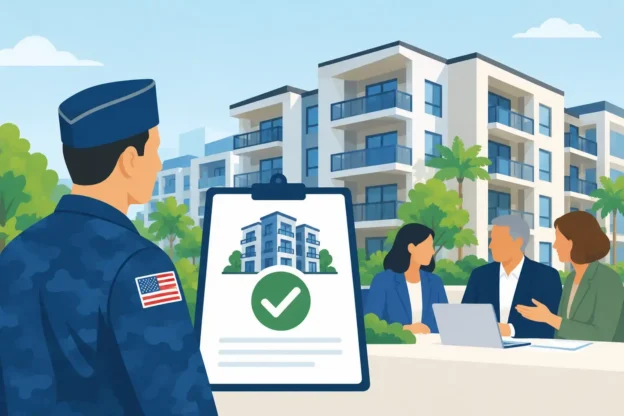
A VA buyer can be fully qualified, under contract, and ready to close, yet still lose the transaction because the condominium project is not eligible for VA financing. That is where VA project approval help becomes a transaction-critical service, not an administrative afterthought. The issue is rarely the buyer’s credit profile. It is the property’s approval status, the association’s documentation, or a project-level condition that was identified too late.
For agents, lenders, sellers, and homeowner associations, the objective is simple: determine eligibility early, identify the correct path, and eliminate avoidable delays before a VA loan reaches the closing table. Condo approval work requires precision because VA eligibility is tied to the development as well as the unit. A single missed document, outdated insurance policy, or unresolved project issue can stop financing even when every other part of the deal is ready.
What VA Project Approval Actually Means
VA does not treat every condominium unit as automatically eligible collateral. For a VA loan on a condo, the condominium development generally must appear on VA’s approved condominium list or qualify through the appropriate review and approval process. The lender cannot solve an ineligible project issue simply by approving a strong borrower.
This distinction matters because real estate listings often use broad language such as “VA approved” without confirming the current status of the specific development. Approval can be expired, the listing can reference a different phase, or the project may have conditions that affect lender acceptance. Reliable approval data must match the exact legal condominium name, location, and project phase.
VA project approval help begins with a status review. The review should confirm whether the development is currently accepted for VA financing, whether an approval needs renewal or reinstatement, and whether the project has characteristics that require deeper analysis. That early answer allows the parties to make informed decisions before appraisal, underwriting, and closing costs accumulate.
Why Condo VA Loans Stall
Most VA condo delays are predictable. They occur when the project review starts after the buyer has already applied, ordered an appraisal, or removed contingencies. By then, the transaction has less room to absorb an association document request or a project-level underwriting concern.
The most common obstacle is incomplete or outdated HOA documentation. Lenders and reviewers may need governing documents, a current budget, insurance evidence, delinquency information, litigation disclosures, reserve details, and information about commercial or investor concentration. The exact documentation depends on the project and lender requirements, but the larger point is consistent: condominium eligibility cannot be confirmed from a listing sheet alone.
Insurance is another frequent issue. Master policies may have expired, lack required coverage details, or be difficult to verify quickly. Associations that rely on a management company should know who can produce current certificates, declarations, fidelity coverage information when applicable, and answers to lender questionnaires. A delay in obtaining these items can become a delay in closing.
Project structure also matters. A development with multiple phases, mixed-use space, high rental concentration, active litigation, significant special assessments, or financial instability may require careful review. These characteristics do not automatically make a project ineligible. They do mean that assumptions are expensive. The correct answer depends on the documentation, the VA requirements in effect, lender overlays, and the facts of the specific development.
VA Project Approval Help Starts Before the Offer
The strongest transaction strategy is to verify condo eligibility before a VA buyer writes an offer whenever possible. Agents who identify approval status at the listing and offer stages protect their clients from pursuing financing that may not be available. Sellers benefit because they avoid losing valuable market time to a financing failure that could have been identified in advance.
For lenders, an early project review improves underwriting efficiency and gives the loan team time to obtain missing materials without creating a last-minute emergency. It also helps loan officers set accurate expectations with borrowers. Promising a fast VA closing without checking the condominium project is not service. It is avoidable risk.
An HOA benefits as well. When association leadership understands its role in VA eligibility, it can respond more efficiently to document requests and reduce repeated disruptions from individual sales. A properly organized approval file, current insurance records, and accessible governing documents make the community easier to finance. That supports buyer demand, resale activity, and marketability for every owner.
The First Review Should Answer Specific Questions
A useful review is not a vague statement that a condo “looks eligible.” It should establish the development’s current VA status, confirm that the unit is part of the approved legal project, and identify whether a new approval, renewal, or documentation update is needed. It should also flag project concerns before they become an underwriting denial.
The timing of the review depends on the parties involved. A listing agent may need a fast status check before marketing a property. A buyer’s agent may need confirmation before presenting an offer. A lender needs enough project information to determine whether the loan can proceed under its VA program. An HOA may need comprehensive guidance because multiple owners are encountering the same financing barrier.
Documentation Determines the Pace
The approval process moves at the speed of accurate documents. Associations that maintain a current approval package can respond quickly when a VA buyer appears. Communities that search for records only after receiving a lender request often face unnecessary friction.
The core records typically center on the association’s legal structure, financial condition, insurance, ownership composition, pending litigation, and property use. Reviewers need documents that are complete and current, not partial pages or stale reports from prior years. A budget that no longer reflects current assessments or an insurance certificate that does not identify the proper insured can create more questions than answers.
This is where specialized coordination matters. A project approval specialist can identify what is missing, organize the submission, communicate with the relevant parties, and keep the review focused on the actual eligibility standard. That work is particularly valuable when a lender’s general mortgage operations team does not routinely handle condominium approvals.
FHA Pros supports this type of approval work with specialized condominium expertise, documentation analysis, and transaction-focused guidance. The goal is not simply to submit paperwork. It is to remove the financing barrier that is preventing an otherwise viable VA transaction from closing.
The Role of Agents, Lenders, and HOAs
VA condo eligibility is a shared transaction issue, but each party has a different responsibility. Agents should avoid representing a project as VA eligible until the status is confirmed. Clear language protects the seller, buyer, and brokerage from preventable confusion. If the project is not currently approved, agents can position the timeline realistically rather than creating expectations the lender cannot meet.
Lenders should initiate project review early and communicate the required documents precisely. Broad requests for “all HOA information” slow the process because association managers may not know which version of a document will satisfy the reviewer. Specific requests, clear deadlines, and direct follow-up preserve momentum.
HOAs and management companies should treat financing documentation as part of normal community operations. The ability to provide current records affects more than one sale. It affects how many buyers can finance within the community. Restricting access to VA financing can narrow the buyer pool and place sellers at a disadvantage against comparable homes in financeable developments.
When Approval May Not Be the Best Path
Not every transaction should wait for a project approval effort. If the buyer has flexible financing options, if the seller has a firm closing deadline, or if the association cannot provide the required documents, another financing structure may be more practical. That is not a failure of the review process. It is a decision based on timing, risk, and transaction economics.
Still, changing loan programs can increase a buyer’s rate, down payment, or closing costs. For an eligible veteran using a VA loan, abandoning the VA path too quickly may mean giving up a meaningful financing advantage. The right approach is to assess the approval timeline against the buyer’s alternatives instead of assuming either path is automatically better.
Get the Answer Before the Deal Is at Risk
VA condominium transactions reward preparation. Verify the project’s status, confirm the legal phase, collect current association documents, and identify underwriting issues before the contract clock becomes the controlling factor. Accurate information early in the transaction gives buyers better options, agents greater certainty, lenders cleaner files, and associations a stronger position in the resale market.
When a condo sale depends on VA financing, the most valuable next step is not guesswork. It is a documented eligibility answer delivered early enough to keep the transaction moving.