
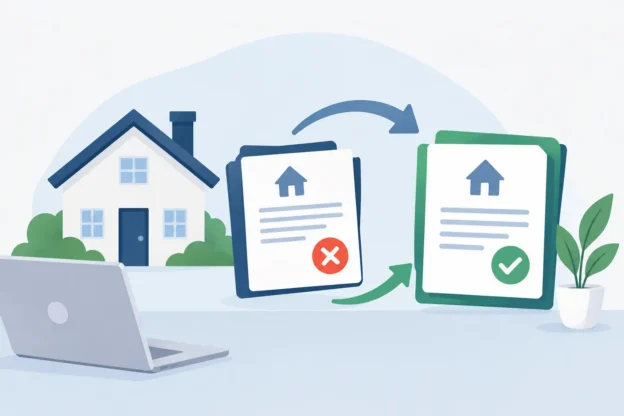
A correct FHA case transfer is not an administrative detail. It determines whether the receiving lender can access the file, order or use the right case number, complete underwriting, and move the transaction to closing without avoidable endorsement issues. When a buyer changes lenders, timing and FHA Connection status matter just as much as the purchase contract.
For agents, borrowers, lenders, and processors, the objective is straightforward: identify who controls the FHA case number, determine its current status, and complete the transfer or correction before the file reaches a critical underwriting, appraisal, or closing deadline. The process can be simple when handled early. It becomes expensive when parties assume a new lender can simply issue another case number or proceed on a case that remains tied to the prior lender.
What an FHA Case Transfer Actually Does
An FHA case number is assigned to a specific property and is central to the FHA insurance process. In a purchase transaction, a borrower may decide to change lenders because of rates, fees, responsiveness, underwriting overlays, or a seller-driven closing timeline. The property does not change, but the lender responsible for originating and submitting the FHA loan does.
That is where a case transfer comes in. The current lender generally initiates the transfer in FHA Connection, and the receiving lender accepts it. Once completed correctly, the receiving lender can continue the FHA transaction under the transferred case number, subject to the applicable FHA requirements and the status of the appraisal and case file.
A case transfer is different from transferring the servicing of an existing FHA mortgage. It is also different from an FHA assumption. Servicing transfers occur after a loan closes. Assumptions involve an existing borrower, a qualified assuming borrower, and servicer-controlled approval steps. Those distinctions matter because the responsible party, documentation, and system workflow may be entirely different.
When You Need to Correct an FHA Case Transfer
The most common issue is a borrower who applied with one lender, received an FHA case number, then elects to finance through another lender. If the original lender has not released the case, the new lender may be unable to proceed as expected.
Other problems occur when the prior lender is no longer actively working the loan, the transaction has been restructured, the property address or borrower information requires correction, or the file has advanced further than the receiving lender realized. A transfer can also stall because one party believes the case was transferred while the receiving lender has not accepted it in the FHA system.
The required correction depends on the case status. A simple pending transfer is not handled the same way as a case with an appraisal already logged, a case approaching expiration, or a file that has already been submitted for endorsement. The right answer is not always to cancel and reorder the case number. In fact, that approach can create additional complications and appraisal validity questions.
Appraisal Status Changes the Analysis
The FHA appraisal is often the pressure point. Once an appraisal is completed and logged under an FHA case number, its status can affect what the next lender can do and when. A lender change does not automatically make a valid FHA appraisal unusable, but the receiving lender must evaluate the file under FHA rules and its own underwriting standards.
Do not assume an appraisal can be recreated simply because the borrower moved to a new lender. Likewise, do not assume the new lender can rely on the existing appraisal without confirming that the case transfer, appraisal records, required documents, and timing are all in order. A rushed second appraisal can create inconsistent property information, cost the borrower money, and delay the closing date.
How to Correct FHA Case Transfer Problems
Start with the FHA case number and verify the exact status in FHA Connection. The parties need facts, not verbal assurances. Confirm the originating lender, the current case assignment, whether a transfer request has been initiated, whether the receiving lender has accepted it, and whether appraisal activity or other milestones are attached to the case.
Next, identify the reason for the correction. If the case is merely awaiting acceptance, the receiving lender may need to complete its required system action. If the transfer was never initiated, the prior lender needs a clear request to release the case. If borrower, property, or transaction data is incorrect, determine whether the issue requires a case-number correction, a transfer, cancellation, or another FHA Connection action.
The borrower should provide written direction when changing lenders. While the specific documentation and internal procedures vary by lender, a documented borrower request reduces confusion and creates a record of authority. Agents can help by communicating the contract deadline and keeping both lender teams aligned, but they should not try to interpret FHA system status on their own.
The receiving lender should also perform an early underwriting review instead of waiting for the transfer to finalize. A case transfer does not cure credit, income, asset, condo eligibility, property condition, or title issues. The new lender may have different overlays from the original lender. A borrower who was preapproved elsewhere still needs to qualify under the receiving lender’s FHA underwriting standards.
A Practical Escalation Path
When a transfer is delayed, start with the originating lender’s processor, closing department, or FHA Connection-authorized team. Provide the case number, property address, borrower name, receiving lender details, and the requested timeline. Ask for confirmation once the transfer action has been completed.
The receiving lender should monitor and confirm acceptance rather than relying on an email that says the file was released. If the case status conflicts with what either lender is reporting, escalate internally to the lender’s FHA operations or compliance team. System access, role permissions, and case status can all affect who is able to take the next action.
For real estate professionals, the key is to protect the transaction without creating a false deadline. Tell the seller and listing side that the FHA file is being transferred, explain whether the appraisal or underwriting timeline is affected, and obtain a contract extension if the lender identifies a real risk. Silence is what turns a manageable transfer into a failed closing.
Mistakes That Create Unnecessary Delays
The first mistake is ordering a new FHA case number before confirming whether the existing case can and should be transferred. Duplicate or improperly handled case activity can add work, raise questions, and complicate appraisal review.
The second is treating a lender change as a simple document handoff. The prior lender may possess disclosures, appraisal-related records, verification documents, and underwriting materials, but the receiving lender must still establish its own compliant file. Some documents can be useful; others must be refreshed or independently obtained.
The third is ignoring condominium eligibility. If the property is a condo, the new lender must confirm that the project remains eligible for the intended FHA financing path. A case transfer does not make an ineligible condominium project eligible. Depending on the property and loan structure, the file may require a review of project approval status or a single-unit approval analysis.
The fourth is confusing an FHA case transfer with an assumable loan transaction. In an FHA assumption, the servicer’s requirements, assumption package, credit review, and release-of-liability decisions drive the process. A new loan originator’s case transfer workflow does not replace the servicer’s assumption procedures.
What Buyers, Agents, and Lenders Should Do First
Buyers should notify the original lender promptly and give the new lender the FHA case number as soon as it is available. Waiting until the week of closing limits everyone’s options. Buyers should also ask the new lender whether the lender has reviewed the appraisal status, underwriting timeline, and any condo-related requirements.
Agents should make lender changes visible early, particularly when an FHA appraisal has already been completed or the contract has a short financing contingency. The best agent communication is factual: the buyer has changed lenders, the FHA case transfer is in process, the new lender is reviewing the file, and the parties will provide a revised closing assessment quickly.
Lenders need disciplined ownership. One person should be accountable for tracking the transfer request through completion, while underwriting evaluates the file independently. This is especially important for files involving condos, repair conditions, down payment assistance, manual underwriting, or an assumption-related transaction structure.
When Specialized FHA Support Makes Sense
A straightforward lender switch may only require timely coordination between two FHA-approved lenders. Complex files need more scrutiny. Condo eligibility uncertainty, unclear appraisal history, FHA Connection data conflicts, assumption questions, or a closing date that is already at risk can justify specialized review.
FHA Pros supports the transaction points where FHA eligibility, condominium requirements, and assumption processes can stop a deal. The goal is not simply to move a case number. It is to identify the compliance and property-level conditions that determine whether the financing can actually close.
The best time to correct an FHA case transfer is before the issue becomes a closing emergency. Confirm the case status, assign clear responsibility, and address appraisal, underwriting, and condo eligibility questions while the transaction still has room to move.