
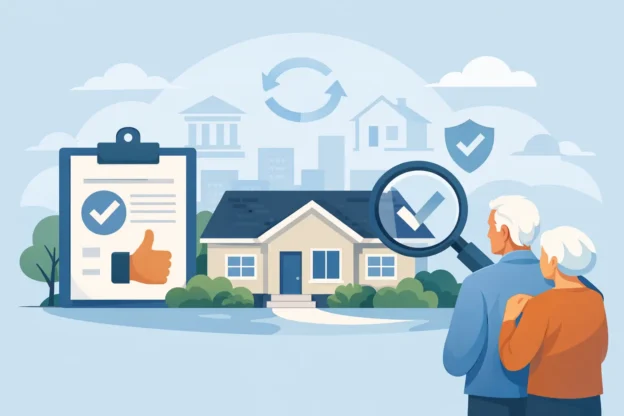
A condo can look perfect for a reverse mortgage borrower and still fail at the financing stage for one simple reason: project eligibility is not automatic. That is where reverse mortgage single unit approval becomes a practical path forward. When a full condo project approval is missing, expired, or not realistic within the transaction timeline, single unit approval may help establish eligibility for one unit, but only if the property, project, and loan file meet current standards.
For buyers, agents, lenders, and HOAs, this is not a paperwork side issue. It directly affects whether a loan can close, whether the borrower can access home equity, and whether a transaction stays alive or dies late in underwriting. In the reverse mortgage space, those stakes are even higher because many borrowers are working with fixed income, planning needs, or estate timing that leave little room for preventable delays.
What reverse mortgage single unit approval actually means
Reverse mortgage single unit approval refers to evaluating an individual condominium unit for eligibility when the entire condominium project does not already carry the required approval status. In practice, the review still reaches beyond the single unit itself. Underwriters and reviewers need to assess project-level risk factors such as owner occupancy, insurance, commercial space, litigation, financial condition, and legal document compliance.
That is the part many parties miss. The phrase single unit approval can sound narrow, but the analysis is not narrow. A lender may be originating a loan on one unit, yet the project still has to satisfy specific criteria to show that the collateral is acceptable. If the condo association cannot provide required documents, or if the project has disqualifying characteristics, the single unit path may stall.
For reverse mortgages, the property type matters because not every condo fits standard eligibility rules. A borrower may have substantial equity and otherwise qualify, but if the condo review fails, the transaction has a major problem. This is why accurate project data and early review are operational necessities, not optional extras.
Why reverse mortgage single unit approval matters so much
In the forward mortgage world, financing alternatives may still exist if FHA condo eligibility is not available. In reverse lending, the options can be narrower. That makes reverse mortgage single unit approval especially valuable when a borrower is trying to use a condominium property and there is no active full project approval in place.
This matters for several reasons. First, timing. Many condo files are delayed because approval issues are discovered after appraisal, disclosures, or borrower expectations are already in motion. Second, borrower impact. Reverse mortgage clients are often using the transaction to reduce cash-flow pressure, eliminate a payment, or create liquidity. Delays are not just frustrating. They can affect financial planning in a material way.
Third, transaction certainty. Agents and lenders need to know quickly whether a condo unit is likely to work. A vague answer is not enough. The market rewards teams that can identify condo eligibility issues early, document them correctly, and move the file toward a yes or a no without wasting weeks.
How the approval review is really evaluated
A reverse mortgage single unit approval review typically starts with the unit, but it quickly expands into project analysis. Legal structure, insurance coverage, budget strength, delinquency levels, and occupancy metrics can all come into play. If the condominium association has weak records or incomplete responses, the file can become difficult even if the property itself is in good condition.
The owner-occupancy ratio is one example. High investor concentration may raise concerns depending on the loan program and current standards. Pending litigation is another. Not all litigation is fatal, but the type of litigation matters. Insurance disputes and construction defect claims can create very different underwriting outcomes than routine collection matters.
Commercial space within the project also deserves attention. Mixed-use projects are not automatically ineligible, but the commercial component must stay within acceptable thresholds. Budget review is equally important. If reserves are inadequate or financial instability appears in the association records, that can affect eligibility.
Then there are the governing documents. CC&Rs, bylaws, and related association documents often contain issues that non-specialists miss. Restrictions on insurance responsibility, leasing provisions, maintenance obligations, or entity control can create compliance problems that surface late if no one has reviewed the documents with underwriting standards in mind.
Common deal killers in condo reverse mortgage files
The biggest mistakes are usually not dramatic. They are operational. Someone assumes the condo is eligible because another unit closed before. Someone relies on stale approval data. Someone orders documents too late. Someone treats a single unit review as a formality instead of a full project risk analysis.
A few recurring problems show up again and again. Expired project status is a major one. So is incomplete HOA documentation. Associations may be slow to respond, unfamiliar with lender requests, or unwilling to produce the needed records promptly. Delinquency and reserve issues are also common, especially in smaller projects where one or two problem owners can materially affect the association’s financial profile.
Another issue is misunderstanding what can and cannot be fixed within the transaction window. Some defects are curable with better documentation. Others are structural and will not change quickly, such as excessive commercial space or problematic litigation. The right move is to identify which category the file falls into as early as possible.
When single unit approval makes sense and when it does not
Single unit approval is often the right strategy when the project lacks full approval but otherwise appears fundamentally financeable. It can also make sense when the loan is tied to one immediate transaction and waiting for a full project approval would cause the deal to collapse.
But it is not the right answer in every case. If the condominium project has widespread compliance problems, severe budget weakness, legal issues, or document defects that affect the whole association, pursuing single unit approval may simply add cost and delay without changing the outcome. In those cases, a broader project-level correction strategy may be more effective.
This is where specialized review matters. The question is not just whether a lender can submit a package. The question is whether the project has a realistic approval path. Clear analysis upfront saves everyone time, protects borrower expectations, and reduces fallout for agents and lenders.
Why lenders and agents need accurate condo data
Condo finance problems rarely start at underwriting. They start much earlier with incomplete information. If an agent markets a unit as financeable without verified eligibility, or a lender takes an application based on assumptions instead of current project data, the file is exposed from day one.
That is why real-time condo intelligence matters. Accurate status checks, document reviews, and project-level risk analysis can prevent avoidable denials and rushed escalations. For professionals, this is not just about compliance. It is about pipeline protection, borrower confidence, and reputation.
For HOAs, the upside is also significant. Communities that understand how financing standards affect marketability put themselves in a stronger position. A condo project that can support mortgage eligibility gives owners more exit options and can reduce friction when units come up for sale or refinance.
The operational advantage of getting help early
Reverse mortgage single unit approval is one of those areas where speed without precision creates more damage than speed with process. The fastest path is usually not skipping the review. It is getting the right review started early enough that issues can be solved, documented, or ruled out before the transaction becomes expensive.
That is especially true in condominium lending, where multiple parties control the file. The borrower, lender, agent, HOA, management company, and underwriter all affect the timeline. A specialist that knows how to collect the right records, assess compliance exposure, and identify likely obstacles can reduce friction across the entire chain.
FHA Pros works in this exact problem set every day, helping market participants determine approval status, evaluate condo eligibility, and move complex files toward closing with better data and sharper execution.
What to do before a reverse mortgage condo deal gets too far
Start with verification, not assumptions. Confirm whether the condo project has an active approval status, whether single unit approval is available, and whether the association can produce the required documentation. Review insurance, budget, occupancy, litigation, and governing documents before the file reaches a late-stage underwriting crisis.
If you are a buyer or borrower, ask early whether the condo has already been reviewed for the loan program in question. If you are an agent, do not wait for the lender to discover the issue after contract execution. If you are a lender, make condo analysis part of intake, not rescue work. If you are part of an HOA, understand that delayed or incomplete responses can cost owners financing options.
The most expensive condo approval problems are the ones no one addresses until everyone is already committed. A clear answer early is worth more than a hopeful answer late.